
Sustainable Art Music Practice in Nigeria Amid Rising Inflation: A Reflection on Global Crises and Local Realities

Otamere Osarodion
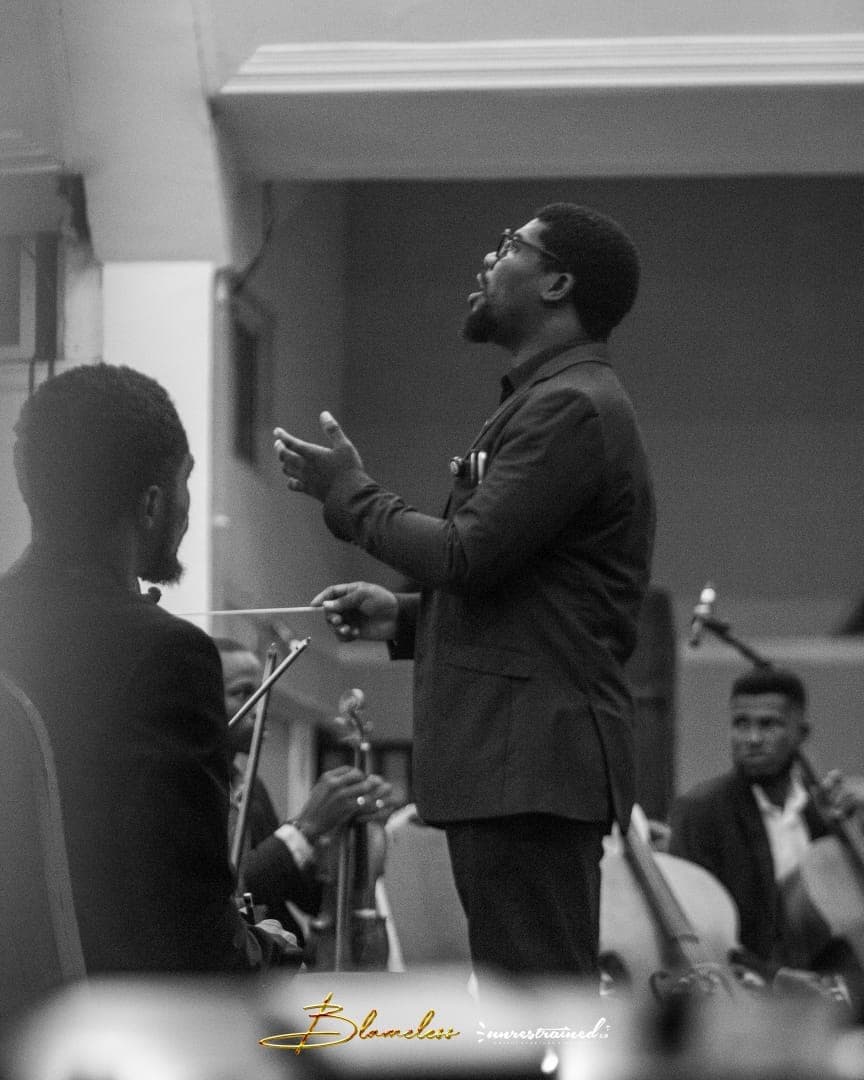
In an increasingly interconnected world, local artistic practices are no longer insulated from global events. Nigeria’s art music sector which is already trying to navigating structural and economic challenges now faces intensified pressure from rising inflation, itself partly driven by geopolitical tensions such as the ongoing Iran conflict and disruptions in the Strait of Hormuz.
While these events unfold far from Nigerian shores, their consequences are deeply felt within the country’s cultural and creative industries. This raises an important question: why should Nigerian art music bear the burden of crises it neither caused nor controls?

Global Conflict, Local Inflation
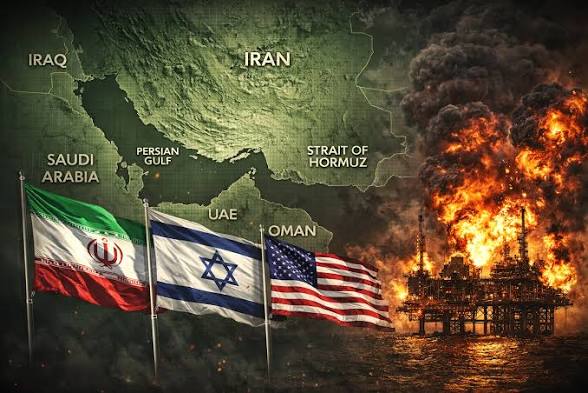
The Strait of Hormuz remains one of the world’s most critical oil transit routes. Any disruption to its flow significantly affects global oil supply, leading to increased fuel prices and widespread economic instability. The recent escalation of conflict involving Iran has contributed to such disruptions, triggering a ripple effect across global markets. For Nigeria, the situation is paradoxical. As an oil-producing nation, rising crude oil prices may suggest increased national revenue. However, for citizens and particularly for artists the reality is starkly different. Increased fuel prices translate into higher transportation costs, rising cost of living, and reduced disposable income. Inflation, therefore, becomes an unavoidable daily burden.
Implications for Art Music Practice
Art music in Nigeria operates within a fragile ecosystem that depends on collaboration, funding, and access to resources. Rising inflation has begun to reshape this ecosystem in several critical ways:
1. Escalating Cost of Rehearsals and Mobility
For many choirs and Orchestras, rehearsals require members to move across communities cities and States. With fuel prices rising, attendance becomes inconsistent, and the financial burden on members increases significantly.
2. Declining Viability of Concert Production
The cost of organizing concerts (venue rental, logistics, publicity, and score production)has surged. As a result, many planned performances are either scaled down or postponed indefinitely.
3. Instrument Accessibility and Maintenance Challenges
Most classical instruments used in art music are imported. Currency fluctuations and increased import costs have made acquisition and maintenance increasingly difficult, limiting artistic possibilities.
4. Reduced Audience Engagement
With inflation affecting household income, audiences are less likely to spend on concert attendance. Art music, often perceived as non-essential, suffers a decline in patronage.
The Cultural Cost of Economic Instability
The effects of inflation extend beyond economics, they touch the very fabric of cultural sustainability. Art music is not merely a form of entertainment; it is a medium of cultural expression, education, and social reflection.
When inflation limits artistic production:
Creative output declines
Opportunities for young musicians diminish
Cultural continuity is threatened
In this sense, economic instability becomes a cultural crisis.
Towards Sustainable Art Music Practice
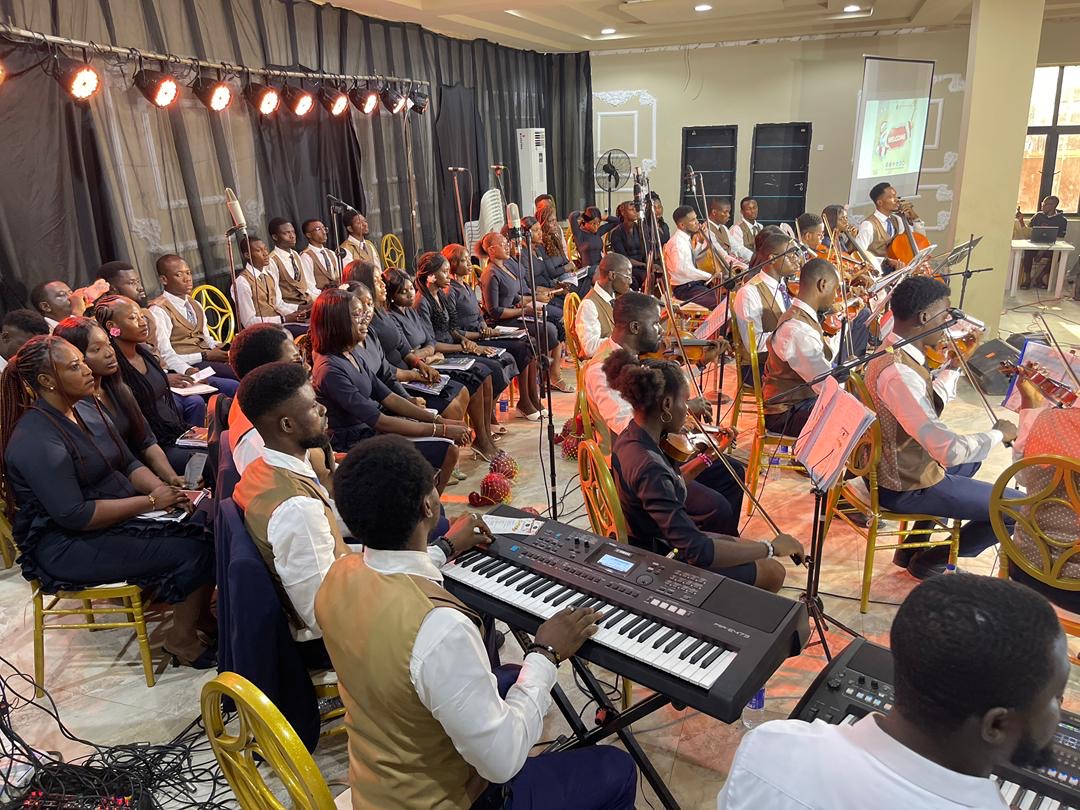
In the face of these challenges, Nigerian art musicians must rethink sustainability, not as an abstract concept but as a practical strategy for survival and growth.
1. Embracing Indigenous and Low-Cost Resources
There is a growing need to explore compositions that rely less on expensive imported instruments and more on voice, body percussion, and indigenous musical resources.
2. Digital Adaptation
Although infrastructural limitations exist, digital platforms offer opportunities for performances and rehearsal through the use of digital gadgets like Phones and Tabs for rehearsals and performances, collaborations, and wider dissemination of works.
4. Institutional and Policy Support
There is an urgent need for governmental and private sector investment in the arts. Subsidies for performance spaces, grants for composers, and reduced import duties on instruments would significantly ease the burden on practitioners.
A Call for Recognition and Action
The Nigerian art music community must not remain a silent casualty of global economic forces. Institutions, policymakers, and stakeholders must recognize that cultural sectors are essential to national identity and social cohesion.
At the same time, practitioners must continue to innovate, collaborate, and advocate for sustainable structures that can withstand both local and global disruptions.
Conclusion
The intersection of global conflict and local economic realities presents a profound challenge for art music practice in Nigeria. While the Iran conflict and disruptions in the Strait of Hormuz may seem distant, their effects are immediate and tangible within Nigeria’s creative economy.
Yet, even under these pressures, Nigerian art music continues to endure. The task ahead is clear: to ensure that this resilience is supported by structures that allow the art form not just to survive, but to thrive regardless of crises beyond its control.