
How Classical Music improves Mental and Emotional well-being.
Grace Iluebbey
Introduction
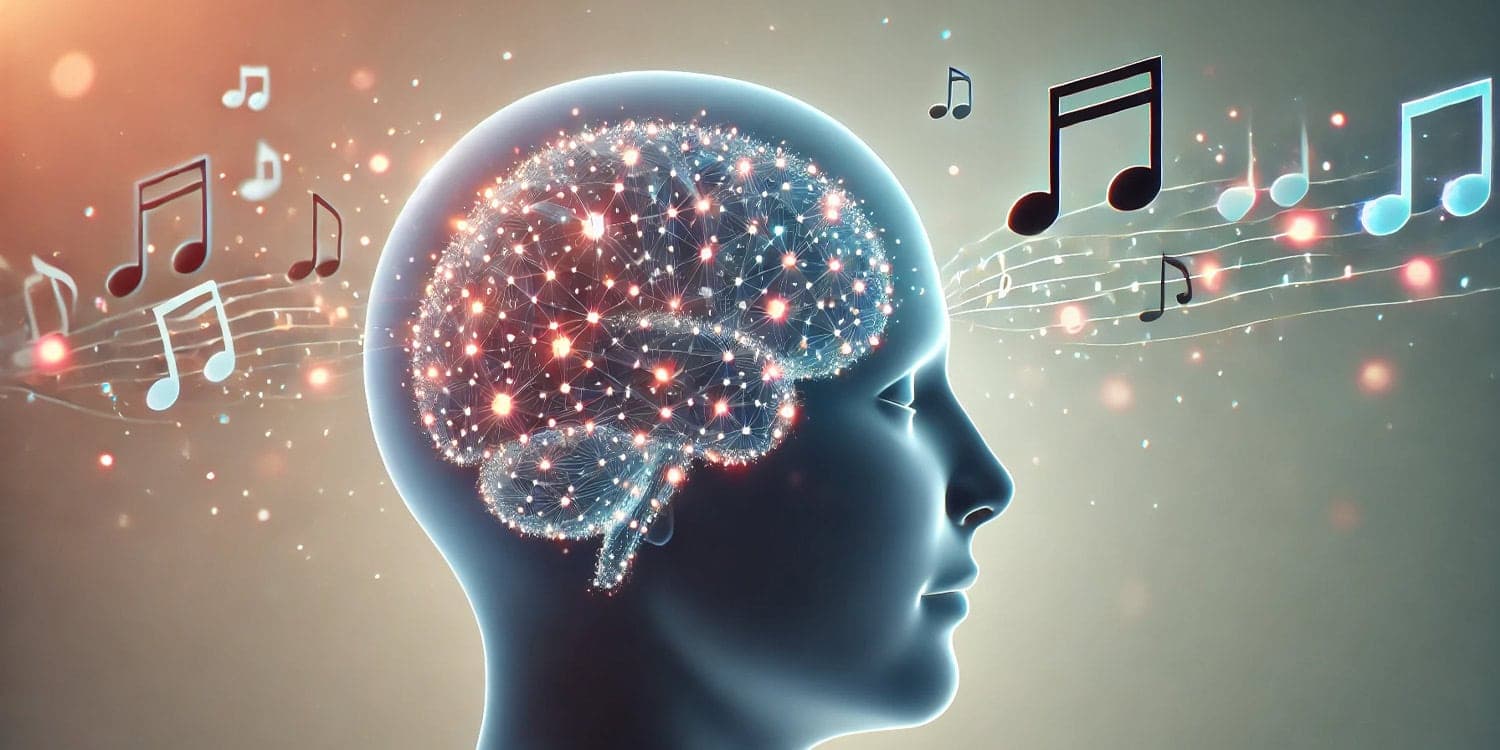
For centuries, classical music has been admired for its artistic sophistication and expressive depth. Beyond its cultural and aesthetic value, research increasingly demonstrates that classical music can significantly improve mental and emotional well-being. Through carefully structured melodies, harmonic progression, and dynamic contrasts, classical compositions stimulate the brain, regulate emotional states, and promote relaxation.
Whether experienced as a listener or performed within an ensemble, classical music provides a powerful pathway for emotional expression, cognitive engagement, and social connection.
Stress Reduction and Relaxation
One of the most well-documented benefits of classical music is its capacity to reduce psychological stress. Slow, melodic compositions have been shown to decrease heart rate, lower blood pressure, and reduce cortisol levels—the hormone associated with stress.
Gentle works such as the lyrical passages of Violin Concerto No. 1 by Max Bruch or reflective piano music by Frédéric Chopin are frequently used in relaxation therapies and mindfulness practices. Their steady tempo and expressive phrasing encourage the body to shift from a state of tension into calmness.
For this reason, classical music is often incorporated into clinical music therapy programs, meditation routines, and environments designed to promote mental restoration.

Emotional Regulation and Expression
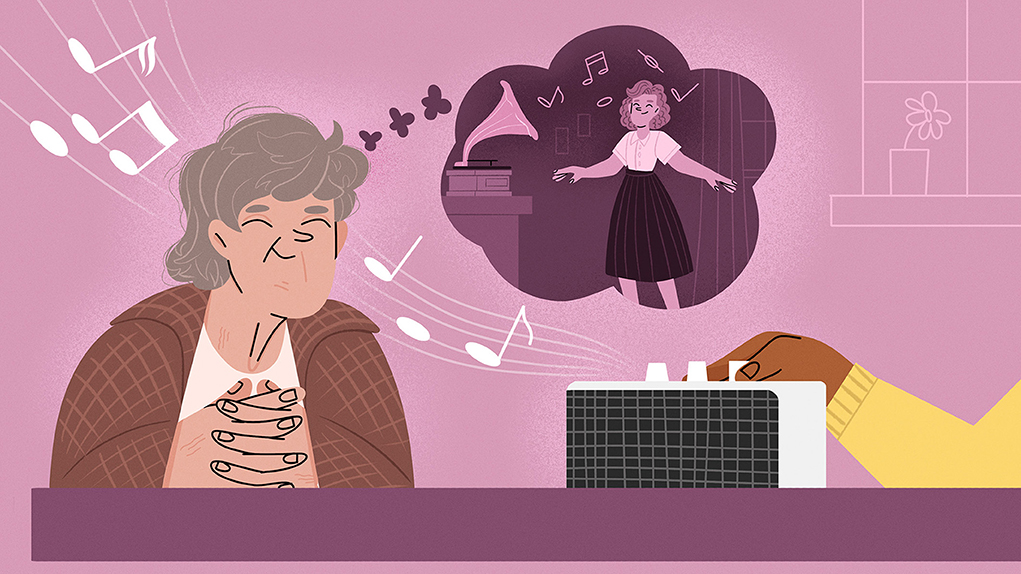
Classical compositions often mirror the complexity of human emotion, moving between moments of tension, resolution, melancholy, and triumph. This emotional depth allows listeners to process their own feelings through the music’s expressive narrative.
A notable example is Symphony No. 9 by Ludwig van Beethoven. The symphony’s famous final movement, which introduces a choral setting of “Ode to Joy,” embodies themes of hope, unity, and resilience. Experiences like this can evoke powerful emotional responses that promote catharsis and emotional balance.
Music psychologists note that such emotional engagement helps individuals recognize and regulate their feelings more effectively, supporting overall psychological health.
Cognitive Enhancement and Mental Focus
Classical music also plays a role in improving concentration and cognitive performance. The structured patterns of harmony and rhythm stimulate neural pathways associated with memory, spatial reasoning, and attention.
Studies exploring the “Mozart effect” suggest that listening to compositions by Wolfgang Amadeus Mozart may temporarily enhance spatial-temporal reasoning. While the extent of this effect remains debated, researchers agree that instrumental music can help maintain focus during mentally demanding tasks.
Because classical music typically lacks lyrics that compete for linguistic processing, it is widely used as background music for studying, reading, and creative work.

Social Connection Through Choral and Orchestral Music
Beyond individual listening, participation in classical music, particularly through orchestras and choirs, offers substantial emotional and social benefits.
Choral singing, for example, requires synchronized breathing, attentive listening, and collaborative interpretation. Research indicates that singing in a group can increase oxytocin levels, a hormone linked to social bonding and trust. This shared musical experience often creates a strong sense of community and belonging among performers.
For many musicians, rehearsals and performances become not only artistic endeavors but also meaningful social environments that support emotional resilience.

Conclusion
Classical music remains one of the most powerful artistic forms for nurturing mental and emotional well-being. Its calming rhythms can reduce stress, its expressive depth supports emotional processing, and its structured complexity stimulates cognitive function. Additionally, participation in choral and orchestral music fosters meaningful social connections that further enhance psychological health.
In a fast-paced and often stressful modern world, classical music offers a timeless source of reflection, healing, and human connection.
References
Blood, A.J. and Zatorre, R.J., 2001. Intensely pleasurable responses to music correlate with activity in brain regions implicated in reward and emotion. Proceedings of the National Academy of Sciences, 98(20), pp.11818–11823.
Chanda, M.L. and Levitin, D.J., 2013. The neurochemistry of music. Trends in Cognitive Sciences, 17(4), pp.179–193.
Koelsch, S., 2014. Brain correlates of music-evoked emotions. Nature Reviews Neuroscience, 15(3), pp.170–180.
Thoma, M.V., La Marca, R., Brönnimann, R., Finkel, L., Ehlert, U. and Nater, U.M., 2013. The effect of music on the human stress response. PLOS ONE, 8(8), e70156.