
CHORALE PERFORMANCE GUIDE.

Jude Dumme
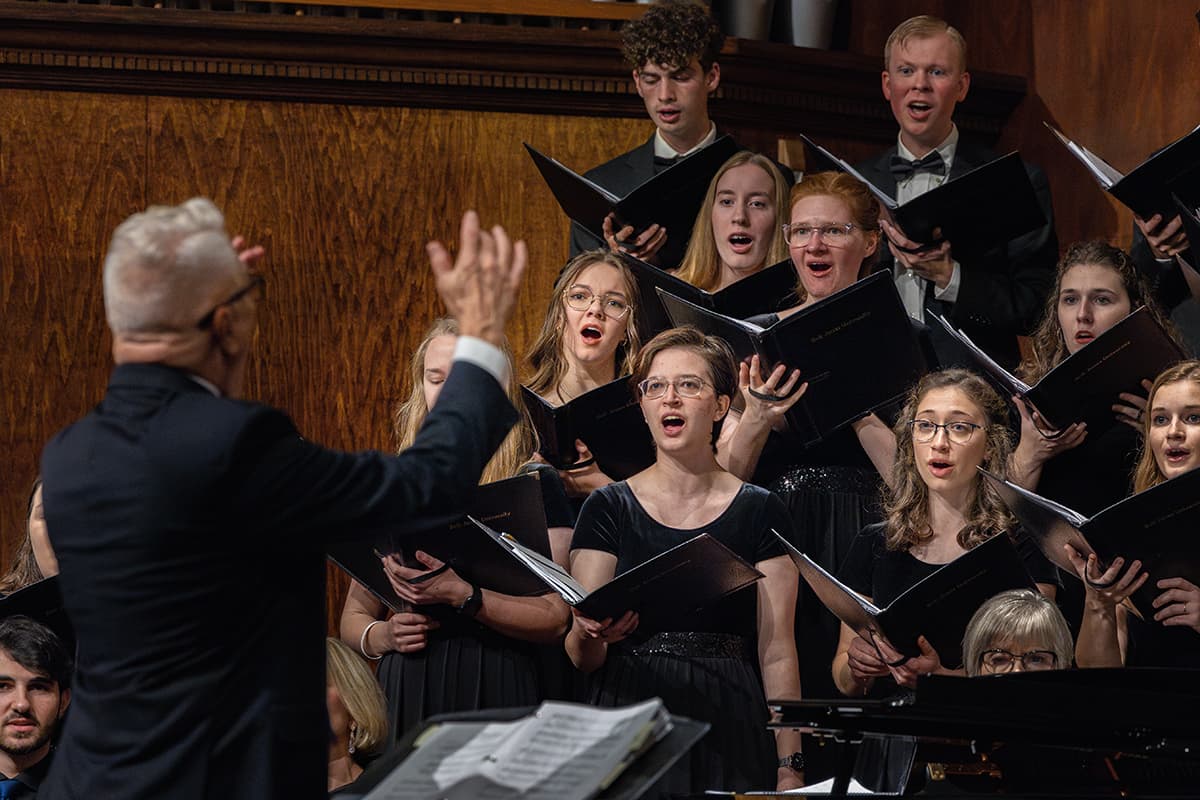
Choral Performance Guide: Understanding Your Role in the Ensemble
I. The Nature of Choral Singing
A choir is not merely a gathering of voices; it is a finely tuned instrument where diverse timbres merge into a single sonorous entity. The artistry lies in ensemble unity, not individual display.
“The beauty of choral music is found in the collective resonance of many voices becoming one.”
II. Voice Classifications and Their Roles
Choirs are traditionally divided into four principal voice parts, each essential to the harmonic architecture:
Soprano – The highest female voices, often entrusted with the melodic line.
Alto – Lower female voices, enriching the texture with harmonic depth.
Tenor – Higher male voices, adding brilliance and harmonic support.
Bass – Lowest male voices, grounding the ensemble with resonance and stability.
Voice parts are determined by range and timbre, not gender. Each section is indispensable to the choral fabric.
III. The Central Principle: Blend Above Power
The hallmark of refined choral singing is blend — the seamless fusion of voices into one unified soundscape.
To achieve blend, choristers must focus on:
Vowel unification – shaping vowels consistently across the ensemble
Tone homogenization – aligning timbre for a balanced sonority
Dynamic equilibrium – controlling volume to avoid overshadowing others
Aural awareness – listening attentively to surrounding voices
IV. The Discipline of Listening
Listening is the most vital skill of a chorister. A disciplined singer continually evaluates:
Am I balanced within my section?
Is my intonation aligned with the ensemble?
Can I clearly hear others, or am I overpowering them?
If you cannot hear your colleagues, you are likely singing beyond the ensemble’s dynamic balance.
V. Ensemble Discipline and Etiquette
Choral artistry demands precision, obedience, and collective discipline. Key practices include:
Following the conductor’s interpretive gestures and interpretive cues
Breathing in synchrony with the ensemble
Executing cut-offs with exactness
Respecting rehearsal structure and punctuality
VI. Common Errors to Avoid
Over-singing in pursuit of recognition
Neglecting one’s assigned voice part
Disregarding the conductor’s cues
Poor breath management
Inconsistent rehearsal commitment
VII. The Ultimate Aim: One Voice, Many Singers
The true goal of choral performance is the illusion of one unified voice. When blend, discipline, and listening converge, the choir transcends individuality and becomes a single resonant instrument.
VIII. Final Encouragement
To excel as a chorister:
Cultivate blend
Practice attentive listening
Serve the music above personal ego.